
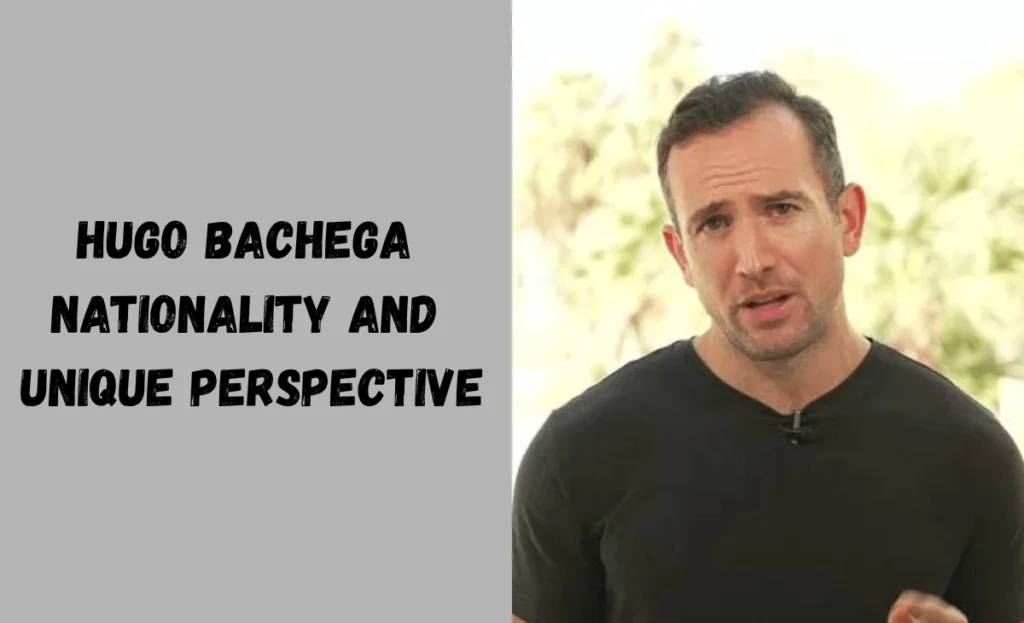
The question of hugo bachega nationality often comes up when people hear his distinctive voice reporting on major global events. There’s something in the tone, a subtle rhythm in the words, that hints at a story beyond the headlines he delivers. It’s more than idle curiosity—knowing a journalist’s nationality can reveal the lens through which they view the world, the way they approach stories, and the empathy they bring to their craft.
As someone who has studied and followed international correspondents for years, I’ve seen firsthand how cultural background influences reporting. In Hugo Bachega’s case, his nationality is not only a personal fact—it’s a defining element of his professional identity and storytelling style.
The Definitive Answer to Hugo Bachega Nationality
When the topic arises, the answer is straightforward: hugo bachega nationality is Brazilian. Born and raised in Brazil, he carries the cultural, linguistic, and historical influences of his homeland into every aspect of his work.
While his career has taken him far from Brazil—covering conflicts, political shifts, and humanitarian crises across continents—his roots remain firmly planted in the Brazilian experience. This background gives him a distinctive vantage point when reporting for a global audience.
Why Hugo Bachega Nationality Matters in Journalism
Understanding hugo bachega nationality is more than an exercise in trivia—it helps explain why his reporting stands out. A journalist’s nationality often shapes their worldview in subtle but powerful ways:
- Cultural Sensitivity: Growing up in a country known for its diversity helps develop an instinct for understanding complex social dynamics.
- Language Skills: Portuguese is his first language, and fluency in multiple languages can enhance communication with sources.
- Global South Perspective: Having a background outside traditional Western power centers brings balance to international reporting.
These qualities mean Bachega doesn’t just cover events—he frames them in a way that resonates across cultures.
The Brazilian Influence on His Reporting Style
The Brazilian influence in Hugo Bachega’s journalism is unmistakable. Brazil’s history—marked by colonialism, immigration, inequality, and resilience—instills a sense of adaptability and empathy in those who grow up there.
When discussing hugo bachega nationality, it’s important to recognize how that background fosters a style of storytelling that is both warm and precise. He often focuses on human details: the experiences of civilians during conflict, the voices of those on the margins, and the emotional realities behind the news cycle.
Misconceptions About Hugo Bachega Nationality
Some assume that because he works prominently with the BBC and has a near-native English accent, he must be British. This is one of the common misconceptions about hugo bachega nationality. While his professional life has been strongly connected to the UK, his nationality remains Brazilian.
This misunderstanding highlights how easy it is for audiences to assume nationality based on workplace or language ability, without considering the individual’s true origins.
The Impact of Nationality on Source Relationships
One of the overlooked aspects of hugo bachega nationality is how it might influence his relationships with sources. Being Brazilian, and therefore from the Global South, may allow him to establish rapport with individuals in regions that have historically been underrepresented or misunderstood in Western media.
In my own experience observing journalists in conflict zones, shared experiences of coming from developing or diverse countries often break down barriers faster than a shared language alone.
Global Perception of Hugo Bachega Nationality
Globally, hugo bachega nationality adds to his credibility in unique ways. Brazilian journalists are often seen as adaptable, resourceful, and skilled at navigating culturally complex situations. This perception can work in his favor when reporting from areas where Western journalists might encounter mistrust.
His ability to blend into local contexts while maintaining professional detachment is part of what makes his field reporting so compelling.
Lessons for Aspiring Journalists from Hugo Bachega
Aspiring reporters can take away several lessons from understanding hugo bachega nationality:
- Embrace Your Roots: Your cultural background is a strength, not a limitation.
- Leverage Multicultural Insights: Growing up in one culture while working in another can provide valuable context others may miss.
- Focus on People, Not Just Events: The human dimension often transcends language and geography.
By studying how Bachega’s Brazilian heritage influences his work, upcoming journalists can learn to integrate personal history into professional storytelling.
The Cultural Lens in War and Crisis Reporting
One of the most fascinating aspects of hugo bachega nationality is how it might affect his reporting in conflict zones. Brazil’s own complex history with political unrest, economic fluctuations, and social inequality may help him better understand the struggles of people living through instability.
In war reporting, this cultural empathy can make the difference between a detached summary of events and a moving, human-centered narrative that connects with audiences worldwide.
Public Curiosity and Media Identity
The public’s curiosity about hugo bachega nationality mirrors a broader interest in the personal lives of journalists. In a time when audiences value authenticity, knowing a reporter’s background can strengthen the connection between journalist and viewer.
This is not about reducing someone to their passport—it’s about appreciating how nationality shapes perspective, informs questions, and colors the framing of every story.
The Broader Conversation About Nationality in Media
The discussion around hugo bachega also touches on a bigger conversation in media: the need for diverse voices. In many global newsrooms, there’s a growing recognition that journalists from varied national backgrounds bring fresh viewpoints that challenge stereotypes and expand understanding.
By highlighting the nationality of correspondents like Hugo Bachega, we can encourage broader diversity in who tells the world’s stories.
FAQs
What is Hugo Bachega nationality?
Hugo Bachega is Brazilian, as he was born and raised in Brazil.
Does Hugo Bachega hold more than one nationality?
There are mentions of professional ties to the UK, but his primary and widely recognized nationality is Brazilian.
How does Hugo Bachega nationality affect his reporting?
It adds multicultural sensitivity, linguistic richness, and a unique storytelling perspective.
Why is Hugo Bachega important to know?
It helps audiences understand the cultural lens through which he approaches news coverage.
Final thoughts
In the end, the significance of hugo bachega nationality lies not in the bare fact that he is Brazilian, but in how that fact shapes his worldview, his empathy, and his approach to reporting. His nationality informs not just what stories he tells, but how he tells them—and that, in turn, shapes how we, as audiences, understand the world.
For anyone interested in journalism, international affairs, or cultural identity, Hugo Bachega’s career is a reminder that where you come from will always be a part of how you see—and share—the truth.