
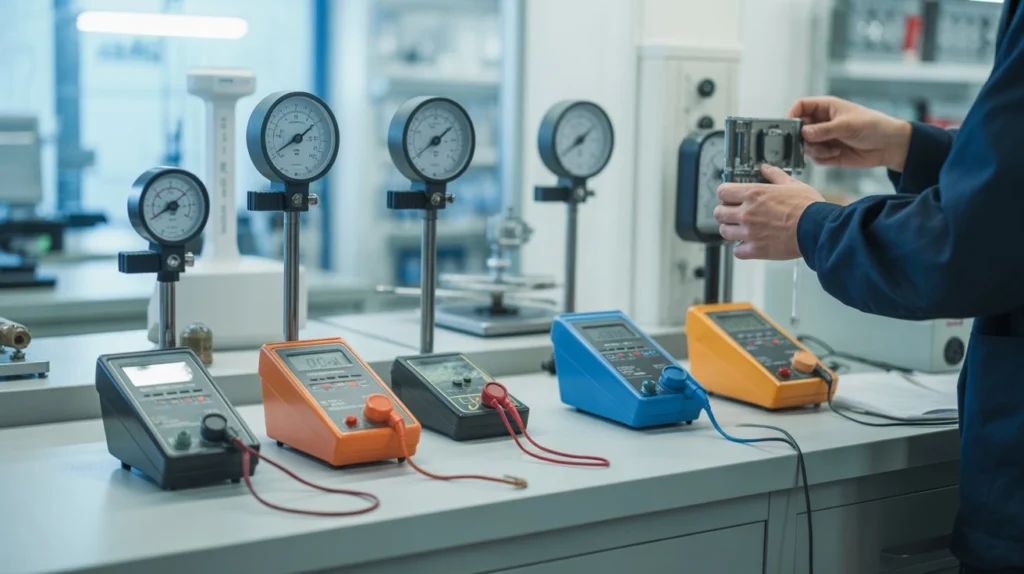
In today’s data-driven world, accuracy is everything. Whether we are talking about medical devices, laboratory instruments, or even the scales in our kitchens, precision matters. One of the most important processes that guarantee this precision is kalibraatio. While the word itself is Finnish for “calibration,” the meaning extends far beyond language. It represents trust, consistency, and quality in every sector where measurement plays a role.
Without proper calibration, the data we collect could be misleading. Imagine a doctor relying on a blood pressure monitor that is not properly calibrated, or a factory producing components based on faulty measurements. The consequences could be severe. That is why understanding kalibraatio is essential not only for industry professionals but also for anyone who values reliable information.
What is kalibraatio?
At its core, kalibraatio means checking and adjusting a measuring instrument against a known standard. It ensures that the readings given by the device are correct and fall within acceptable limits. This process is not about guessing—it is about comparing, analyzing, and documenting results to confirm that an instrument is trustworthy.
For example, a digital thermometer used in healthcare must be checked regularly against a reference thermometer. If there is a difference, adjustments are made, or the deviation is recorded so the user knows the real margin of error. This ensures that decisions based on the thermometer’s readings remain safe and accurate.
Why kalibraatio matters
The importance of kalibraatio lies in the reliability of measurements. Every decision based on measurement data—be it in medicine, engineering, or environmental monitoring—depends on accuracy. Without calibration, even the most advanced instrument could lead to errors.
Regulation is another major reason. Many industries operate under strict standards, where failing to calibrate instruments could result in penalties, product recalls, or even safety hazards. For example, pharmaceutical production requires precise ingredient measurements, and a slight error could make a drug unsafe.
Benefits of kalibraatio
Kalibraatio provides multiple advantages that go beyond simple accuracy. It improves efficiency by reducing waste and errors, increases customer satisfaction by ensuring quality, and enhances safety by minimizing risks associated with faulty data.
It also supports compliance with international standards, which is vital for companies working globally. Products and research results must be comparable and trustworthy across borders, and this is possible only when instruments are regularly calibrated.
Challenges in kalibraatio
Although essential, kalibraatio is not without challenges. It can be costly, especially for companies that use many instruments requiring frequent calibration. It also demands skilled professionals, as the process must be performed carefully and documented thoroughly.
Another challenge is scheduling. Instruments drift over time, meaning they lose their accuracy. To maintain trust, companies need regular calibration cycles, which require planning, downtime, and resources.
Examples of kalibraatio in practice
Kalibraatio is everywhere—even if we don’t always notice it. In healthcare, blood glucose meters, blood pressure devices, and thermometers are calibrated to ensure correct diagnoses. In industry, weighing scales, pressure gauges, and flow meters are calibrated to keep production consistent.
Even in daily life, calibration matters. Kitchen scales, smartphones with motion sensors, and car tire pressure monitors all rely on calibration to give us reliable information. Without it, everyday tools could mislead us.
Steps in the kalibraatio process
The process of kalibraatio generally follows several key steps. First, the purpose of measurement is defined. Then, a known reference standard is chosen. The device is tested against this standard, and the difference between the reading and the true value is recorded.
If the deviation is too large, the instrument is adjusted to align with the standard. Finally, a calibration certificate is issued, documenting the process and confirming the accuracy of the device. This certificate is often required for audits and compliance checks.
When is kalibraatio needed?
The frequency of kalibraatio depends on how the instrument is used. Devices that are critical to safety or health often need calibration more frequently, sometimes even daily. In other cases, annual calibration may be sufficient.
Calibration is also needed whenever a device is exposed to extreme conditions, suffers a mechanical shock, or shows unexpected results. These factors can all cause instruments to drift away from accurate measurement.
Kalibraatio methods
There are different approaches to performing kalibraatio. One common method is comparison calibration, where the device is tested against a reference instrument. Another method is direct calibration, which uses known physical values such as temperature or weight to test the device.
The choice of method depends on the type of instrument, the required accuracy, and the standards that apply in a given field.
Kalibraatio in industry
In modern industries, kalibraatio is a cornerstone of quality management. Automotive companies, for instance, rely on precise measurements to ensure engines and safety systems perform correctly. In energy production, accurate readings of pressure and temperature are vital to prevent accidents and optimize efficiency.
Food and beverage industries also depend on calibration. Thermometers and scales must be accurate to guarantee product safety and comply with regulations. Without it, products could become unsafe or fail to meet legal requirements.
Kalibraatio in laboratories
Scientific research relies heavily on accurate measurements. Laboratories calibrate their instruments to make sure data is reliable and can be compared with results from other labs worldwide. For example, chemical analysis depends on exact concentration levels, where even the smallest error could distort findings.
International collaborations would be impossible without consistent calibration standards, as data must remain valid regardless of where it was collected.
Documentation and certification in kalibraatio
Kalibraatio is more than just adjusting instruments. Proper documentation is equally important. After calibration, a certificate is issued that records the method used, the conditions under which calibration was performed, and the results obtained.
This certificate proves compliance with industry standards and helps companies demonstrate quality and reliability to clients and regulators.
Costs and savings of kalibraatio
While some businesses see kalibraatio as an expense, in reality, it saves money in the long run. Faulty measurements can lead to wasted resources, failed quality checks, and expensive recalls. By investing in calibration, companies reduce risks and avoid unnecessary losses.
Moreover, regular calibration extends the lifespan of equipment, making it a cost-effective strategy for maintaining operations.
Tools and software for kalibraatio
Modern technology has made kalibraatio easier and more efficient. Specialized software tracks calibration schedules, stores certificates, and analyzes data to identify trends. Automated calibration systems also reduce human error and improve accuracy.
In large-scale industries, digital platforms are often integrated into quality management systems, ensuring every device is maintained correctly and on time.
Kalibraatio in everyday devices
Beyond industries and labs, calibration quietly supports many devices we use daily. Our smartphones, for instance, calibrate their sensors to provide accurate GPS positioning and step counts. Cars rely on calibration to measure fuel efficiency and tire pressure correctly.
Even home appliances like ovens and refrigerators depend on calibration to maintain the right temperature. Without it, our daily lives would be less reliable.
The future of kalibraatio
The future of kalibraatio looks promising with advancements in automation and artificial intelligence. Smart devices capable of self-calibration are already emerging, reducing the need for manual intervention.
AI-driven systems can detect drift patterns and automatically adjust instruments, ensuring accuracy in real-time. This trend will make calibration faster, cheaper, and more reliable in the years ahead.
Frequently Asked Questions
What does kalibraatio mean?
It is the process of checking and adjusting a measuring device against a known standard to ensure accuracy.
How often should calibration be done?
The frequency depends on the device and its application, ranging from daily in critical use to annually in less demanding situations.
Is calibration mandatory?
In many industries such as healthcare, pharmaceuticals, and food production, calibration is required by law and regulation.
Can I calibrate devices myself?
Simple instruments may allow self-calibration, but most require professionals with specialized equipment.
What happens if calibration is skipped?
Skipping calibration can result in faulty measurements, unsafe products, and regulatory issues.
What is the difference between calibration and adjustment?
Calibration is checking accuracy, while adjustment means correcting the device to align with the standard.
Conclusion
Kalibraatio is not just a technical procedure—it is a guarantee of trust, safety, and quality. From industrial production to healthcare and even our daily gadgets, calibrated instruments are the backbone of accurate decision-making.
By investing in proper calibration schedules, businesses and individuals alike ensure they are working with reliable data. In a world where precision defines progress, kalibraatio remains one of the most vital processes for building confidence in measurement.
If you want dependable results and long-lasting equipment, make kalibraatio a priority and rely on trusted professionals to maintain accuracy.