Herbs have always played a powerful role in human history, but few have remained as relevant across centuries as koriandri. From ancient kitchens to modern wellness routines, this plant continues to attract attention for its flavor, versatility, and potential health benefits. Today, people search for koriandri not only to understand how it tastes or how to cook with it, but also to explore its nutritional value, cultural importance, and practical uses in daily life.
This article is written to satisfy that curiosity. It explains what koriandri is, how it is used around the world, why some people love it while others avoid it, and how it fits into modern health-conscious lifestyles. Whether you are a home cook, a wellness enthusiast, or someone simply trying to understand this widely discussed herb, this guide provides clear, reliable, and experience-based insights.
What Is Koriandri? A Clear and Simple Definition
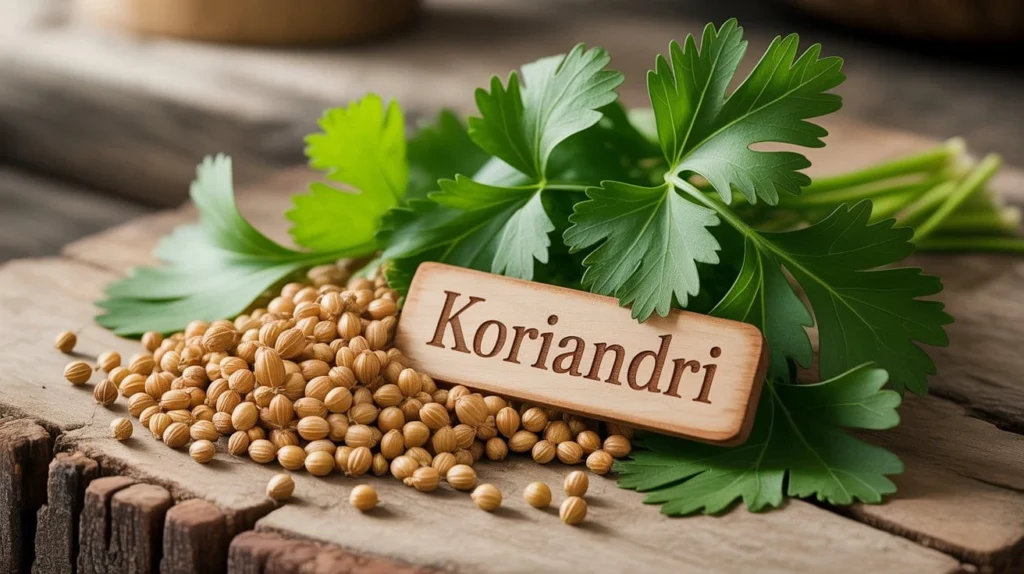
Koriandri refers to a well-known aromatic plant that belongs to the parsley family. It is unique because different parts of the same plant are used in different ways. The fresh green leaves are commonly used as an herb, while the dried seeds are used as a spice.
The leaves are known for their fresh, citrus-like aroma and are typically added at the end of cooking. The seeds, on the other hand, have a warm, slightly nutty flavor and are often used in ground or whole form during cooking. This dual identity makes koriandri one of the most versatile plants used in food preparation.
In many regions, the name varies by language and tradition, but the plant itself remains the same. This variation in naming often leads to confusion, especially for beginners, yet it also highlights how deeply rooted this herb is in global culture.
Historical Background and Cultural Significance
Koriandri has a long and well-documented history. Archaeological evidence suggests it was cultivated thousands of years ago and valued not only as food but also as medicine and ritual offering. Ancient civilizations recognized its ability to preserve food, aid digestion, and enhance flavor.
As trade routes expanded, koriandri traveled across continents. It became a foundational ingredient in Asian, Middle Eastern, Mediterranean, and Latin American cuisines. Over time, each culture adapted its use according to local tastes and traditions, giving the herb a truly global identity.
Even today, koriandri holds cultural meaning. In some traditions, it symbolizes freshness and renewal. In others, it represents balance and harmony in cooking. This deep historical presence strengthens its authority as a trusted and time-tested ingredient.
Culinary Uses of Koriandri Across the World
One of the main reasons koriandri remains popular is its unmatched culinary flexibility. Both its leaves and seeds offer distinct flavors that suit different cooking styles.
Fresh Leaves in Everyday Cooking
Fresh leaves are commonly used as a finishing herb. They brighten dishes with color and aroma and are rarely cooked for long periods. They are especially popular in fresh recipes where their natural oils can shine.
Seeds as a Spice Foundation
The seeds are often toasted to release their aroma and then ground into spice mixes. They are essential in many traditional blends and contribute depth rather than sharpness.
Common culinary uses include:
- Flavoring soups, stews, and curries
- Enhancing marinades and spice rubs
- Adding aroma to baked goods and bread
Modern chefs are also experimenting with koriandri in oils, dressings, and even beverages, showing how adaptable it remains in contemporary cuisine.
Health Benefits Backed by Tradition and Experience
For generations, koriandri has been associated with wellness. While modern research continues to explore its properties, traditional use provides valuable insight into why it remains trusted.
Digestive Support
The herb has long been used to support digestion. It is believed to stimulate digestive enzymes, helping the body process food more efficiently. Many people consume it after heavy meals to reduce discomfort.
Antioxidant Properties
Koriandri contains natural compounds that help protect cells from oxidative stress. These compounds support overall wellness and are often linked to long-term health maintenance.
Blood Sugar and Heart Wellness
Traditional practices suggest that koriandri may support balanced blood sugar levels and heart health when used as part of a balanced diet. While it is not a substitute for medical treatment, its inclusion in meals aligns well with health-focused eating patterns.
Detox and Immune Support
Some wellness traditions use koriandri as part of detox routines. It is believed to support the body’s natural cleansing processes while providing essential nutrients that contribute to immune strength.
Real-World Examples of Koriandri in Daily Life
Koriandri is not limited to restaurants or special recipes. Many people use it in simple, everyday ways that fit easily into their routines.
Practical applications include:
- Brewing seed water for gentle digestive support
- Adding fresh leaves to salads and grain bowls
- Using ground seeds in home-made spice blends
- Blending leaves into green drinks for freshness
These real-world uses show how accessible and practical the herb is, regardless of cooking skill or lifestyle.
Challenges and Misconceptions
Despite its popularity, koriandri is not universally enjoyed. One of the most common challenges is its taste perception. Some people experience an unpleasant, soapy flavor when eating the fresh leaves. This reaction is linked to genetics and is not a sign of poor quality or improper use.
Another misconception is that more is always better. Like any herb, excessive consumption may not be suitable for everyone, especially those managing specific health conditions. Balance and moderation are key.
Understanding these challenges helps users make informed decisions and appreciate why opinions about koriandri can vary so strongly.
How to Use Koriandri Step by Step
For those new to the herb, starting simple is best.
- Wash fresh leaves thoroughly and store them properly to maintain freshness.
- Add leaves at the end of cooking to preserve flavor.
- Toast seeds lightly before grinding to enhance aroma.
- Use small amounts first and adjust based on taste preference.
This approach allows beginners to explore koriandri without overwhelming their palate.
Frequently Asked Questions
What exactly is koriandri?
Koriandri is an aromatic plant whose leaves are used as a fresh herb and whose seeds are used as a spice in cuisines around the world.
Is koriandri healthy?
Yes, when used in moderation, it offers digestive, antioxidant, and nutritional benefits as part of a balanced diet.
Why does koriandri taste bad to some people?
Certain individuals have a genetic trait that makes the fresh leaves taste soapy or unpleasant.
Can koriandri be used every day?
It can be included regularly in meals, but moderation is recommended, especially for medicinal use.
Are the leaves and seeds the same in flavor?
No, the leaves are fresh and citrus-like, while the seeds are warm and slightly nutty.
Conclusion: The Lasting Value of Koriandri
Koriandri is more than just a herb or spice. It is a plant with deep historical roots, proven culinary versatility, and long-standing wellness associations. Its ability to serve both flavor and function explains why it continues to appear in kitchens, traditions, and modern health discussions around the world.
By understanding its uses, benefits, and challenges, you can decide how best to incorporate koriandri into your own lifestyle — whether for taste, health, or cultural appreciation.