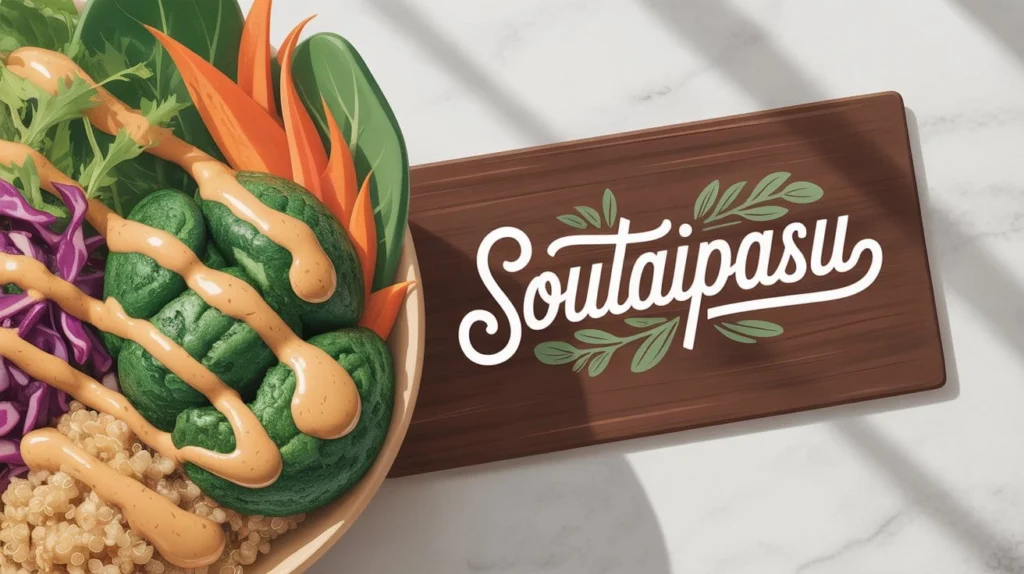
In today’s culinary world, people are constantly exploring unique foods that offer both taste and nutrition. One such emerging ingredient is soutaipasu. Known for its versatility and flavor, it has captured the attention of chefs, food enthusiasts, and home cooks alike.
Whether you are curious about its origins, nutritional benefits, or creative ways to include it in your meals, this article provides a comprehensive guide to soutaipasu. From simple home recipes to advanced culinary techniques, you’ll learn everything you need to enjoy this ingredient to the fullest.
What is Soutaipasu?
Definition and Origin
Soutaipasu is a plant-based ingredient prized in traditional cuisine for its rich taste and texture. While relatively new to global markets, it has long been used in local recipes for soups, salads, and stir-fries. Its unique flavor profile combines mild sweetness with a subtle nutty undertone, making it highly versatile in both savory and sweet dishes.
The ingredient is harvested from natural sources and processed minimally, preserving its natural nutrients and texture. Because of its adaptability, soutaipasu has become a favorite in contemporary health-focused diets as well as gourmet kitchens.
Nutritional Benefits of Soutaipasu
Health Advantages
Incorporating soutaipasu into your meals offers numerous benefits:
- Rich in vitamins and minerals: It contains essential nutrients like vitamin C, potassium, and iron that support overall health.
- High in fiber: Helps maintain digestive health and promotes satiety.
- Antioxidant properties: Supports cellular health and immunity.
Weight Management and Energy
Thanks to its low-calorie yet nutrient-dense profile, soutaipasu can be a part of balanced diets, contributing to weight management and sustained energy levels throughout the day.
Culinary Uses of Soutaipasu
Savory Dishes
Soutaipasu can enhance a variety of savory meals. Examples include:
- Stir-fries: Pair with vegetables and proteins for a quick, flavorful dish.
- Soups: Adds texture and depth to broths and stews.
- Salads: Chop finely to create a crunchy, nutrient-packed topping.
Sweet Preparations
It’s equally versatile in desserts:
- Smoothies: Blend with fruits for a creamy consistency.
- Baked goods: Incorporate into muffins or breads for added fiber and flavor.
This adaptability makes soutaipasu a staple in both traditional and modern kitchens.
Challenges in Cooking Soutaipasu
While it is versatile, cooking with soutaipasu comes with some challenges:
- Texture management: Overcooking can make it too soft, while undercooking may leave it chewy.
- Flavor balance: Its subtle taste may be overpowered by strong spices if not carefully paired.
- Storage considerations: It needs proper storage to maintain freshness and avoid spoilage.
Being mindful of these challenges ensures the best culinary results.
How to Prepare Soutaipasu: Step-by-Step Guide
- Cleaning: Rinse thoroughly under running water to remove any impurities.
- Cutting or Chopping: Depending on your recipe, dice, slice, or leave whole.
- Cooking:
- For stir-fries, sauté in olive oil for 5–7 minutes.
- For soups, simmer gently to retain nutrients.
- For baking, combine with flour or puree for consistent texture.
- Seasoning: Use mild herbs and spices to complement its natural flavor.
- Serving: Add as a main ingredient or garnish to enhance any meal visually and nutritionally.
Following these steps allows soutaipasu to shine in any dish.
Real-World Examples of Soutaipasu in Cuisine
Popular Dishes Around the World
- Asian cuisine: Often included in soups and noodle dishes for texture.
- Western fusion: Used in salads, quiches, and even smoothies for a nutrient boost.
- Plant-based recipes: A favorite in vegan and vegetarian cooking because of its high fiber content.
Chefs are increasingly experimenting with soutaipasu, incorporating it into seasonal menus and healthy meal plans.
Home Cooking
Many home cooks use soutaipasu in quick weeknight meals, highlighting its versatility and ease of preparation.
Tips for Buying and Storing Soutaipasu
- Fresh vs. packaged: Fresh is ideal for texture, while packaged forms offer convenience.
- Storage: Keep refrigerated and consume within a few days, or freeze for longer shelf life.
- Pairings: Mild herbs, olive oil, citrus, or subtle spices work best to enhance its flavor.
These simple strategies maximize both taste and nutritional benefits.
Frequently Asked Questions
Q1: What is soutaipasu?
A: It is a versatile, nutrient-rich ingredient used in both sweet and savory dishes.
Q2: Can it be eaten raw?
A: Yes, but it’s usually cooked lightly for optimal texture and flavor.
Q3: Is soutaipasu healthy?
A: Absolutely. It’s high in fiber, antioxidants, and essential vitamins.
Q4: How do I store it?
A: Refrigerate for short-term use or freeze to maintain freshness.
Q5: Can it be used in desserts?
A: Yes, it works well in smoothies, baked goods, and sweet toppings.
Final Thoughts
Soutaipasu is more than just a food ingredient; it is a gateway to creative cooking, nutritional balance, and flavorful meals. Its versatility, health benefits, and culinary appeal make it suitable for beginners and professional chefs alike. By experimenting with recipes, understanding proper preparation, and exploring both sweet and savory options, you can fully enjoy everything this remarkable ingredient has to offer.
Adding soutaipasu to your kitchen repertoire brings innovation, taste, and nutrition in every meal.