
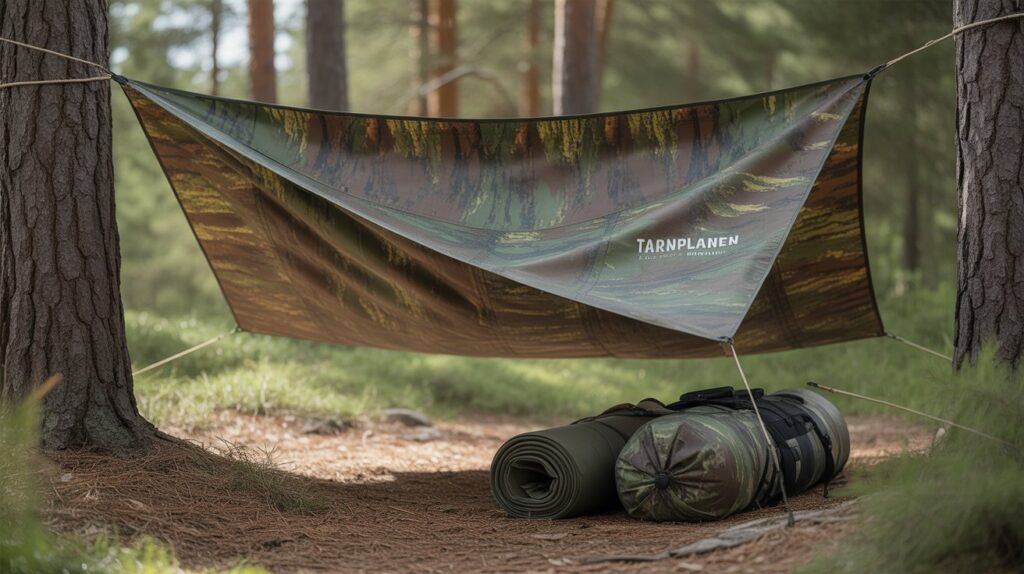
Tarnplanen are heavy-duty tarps designed not only for protection but also for blending into natural surroundings. Their camouflage patterns make them stand out from ordinary tarps, as they serve both a functional and aesthetic purpose. Whether you are camping in the woods, protecting garden furniture, or securing tools at a construction site, these covers prove to be practical and versatile.
Users searching for tarnplanen are often looking for durable, weather-resistant tarps that can handle tough conditions without attracting unnecessary attention. This makes them popular among outdoor enthusiasts, event organizers, and even professionals in agriculture and construction.
What Exactly Are Tarnplanen?
The term tarnplanen simply refers to camouflage tarpaulins made from materials such as polyethylene or PVC. They are usually waterproof, UV-resistant, and fitted with reinforced edges and rustproof eyelets for secure fastening. Unlike standard tarps, their main distinction lies in the camouflage print, which allows them to blend seamlessly with outdoor environments like forests and fields.
Their strength and long-lasting build make them a preferred choice for people who need reliable protection against weather elements while keeping their setup discreet.
Benefits of Using Tarnplanen
One of the biggest benefits of tarnplanen is versatility. From protecting outdoor equipment to creating makeshift shelters, they adapt to almost any need. They are lightweight yet strong, easy to carry, and simple to set up.
Their camouflage design is more than just decorative; it adds a functional advantage when you don’t want your cover to be too visible. Hunters, campers, and survival enthusiasts particularly appreciate this feature.
Durability is another strong advantage. High-quality versions withstand heavy rain, wind, and direct sunlight for long periods without tearing or fading. This makes them a cost-effective solution in the long run.
Practical Uses in Everyday Life
Although many people associate tarnplanen with military or outdoor survival, their use extends far beyond that. Homeowners often rely on them to cover firewood, garden furniture, or pools. Farmers use them to protect hay or machinery, while event organizers employ them as temporary roofs or partition walls.
In camping, they are invaluable. A tarnplanen can serve as a rainproof shelter, a groundsheet, or even a sunshade. Their ability to fold into a compact size makes them an essential item in any outdoor backpack.
Materials and Quality Differences
The strength of tarnplanen depends greatly on the material. Polyethylene options are lightweight and easy to handle, while PVC offers extra toughness for long-term or industrial use. The thickness, often measured in grams per square meter (GSM), determines how resistant the tarp will be against tearing and weather conditions.
Quality models also include reinforced corners and double-stitched hems. These details ensure the tarp won’t fail even under stress. Budget versions might look appealing, but they often lack the resilience needed for repeated or heavy use.
Choosing the Right Tarnplanen
When selecting the right tarp, size, thickness, and intended use should guide your decision. For casual outdoor activities, a lighter model may suffice. If you plan to use it for permanent coverage in a garden or construction site, investing in a thicker, UV-protected model makes more sense.
Another important aspect is the fastening system. Reliable tarnplanen include strong metal eyelets that allow secure tying without the risk of tearing. The better the fastening points, the longer the tarp will last.
Tarnplanen in Outdoor Adventures
For campers, hikers, and bushcrafters, tarnplanen are almost a survival tool. They can be used to build quick shelters, protect gear from rain, or serve as an additional layer of insulation. Since their camouflage design blends with the environment, they are particularly favored by those who enjoy discreet camping or wildlife observation.
Unlike tents, they are more flexible and adaptable. You can hang them between trees, stretch them across poles, or simply lay them on the ground. This adaptability makes them one of the most essential accessories for anyone spending time outdoors.
Tarnplanen in Construction and Agriculture
In construction sites, tarnplanen protect tools, cement, or timber from bad weather. Workers also use them as temporary barriers to keep dust and debris contained. Their strength and water resistance make them a safer choice compared to thin plastic sheets.
Farmers also rely heavily on them. From protecting harvested crops to covering tractors and other equipment, tarnplanen help reduce damage caused by moisture and sunlight. Their cost-effectiveness and reusability make them an important investment in agriculture.
Maintenance and Care
Proper care extends the life of tarnplanen significantly. After use, they should be cleaned with water and mild soap, then dried completely before folding. Storing them in a cool, dry place prevents mold and material damage.
Avoiding overstretching or securing them with sharp hooks helps prevent unnecessary wear. With careful handling, a quality tarp can last for many years.
Common Mistakes When Using Tarnplanen
One common mistake is over-tightening the tarp, which can strain the material and tear the eyelets. Another issue arises when people leave them under constant direct sunlight without UV protection. This leads to fading and brittleness.
Using the wrong size also creates problems. A too-small tarp won’t cover properly, while an oversized one can catch wind and tear if not fastened securely. Choosing the correct size and strength is essential.
Sustainability of Tarnplanen
Modern manufacturing trends show an increasing focus on eco-friendly production. Some companies now use recycled plastics to create tarnplanen, reducing environmental impact. Longer-lasting tarps also contribute to sustainability since they don’t need frequent replacements.
For environmentally conscious buyers, checking for eco-certified options is a wise move. This ensures both durability and responsibility in production.
FAQs About Tarnplanen
Are tarnplanen waterproof?
Yes, most are fully waterproof and suitable for heavy rain.
Can I use tarnplanen as a tent replacement?
Absolutely, they are commonly used as makeshift tents or shelters.
How long do they last?
High-quality tarps can last several years with proper care.
Do tarnplanen protect against UV rays?
Yes, premium models include UV protection to prevent damage.
Are they only for outdoor use?
No, they are also useful indoors for covering floors, walls, or equipment.
Where can I buy tarnplanen?
They are available in hardware stores, outdoor shops, and online marketplaces.
Conclusion
Tarnplanen are more than just camouflage tarps; they are durable, multifunctional, and cost-effective tools for everyday life. From protecting equipment and crops to serving as reliable shelters in the wild, they adapt to countless needs. Their blend of strength, flexibility, and discreet design makes them a smart choice for both professionals and outdoor enthusiasts.
If you want a tarp that combines resilience with practicality, investing in tarnplanen is a decision you won’t regret. Now is the perfect time to explore different options and choose the one that best fits your needs.