
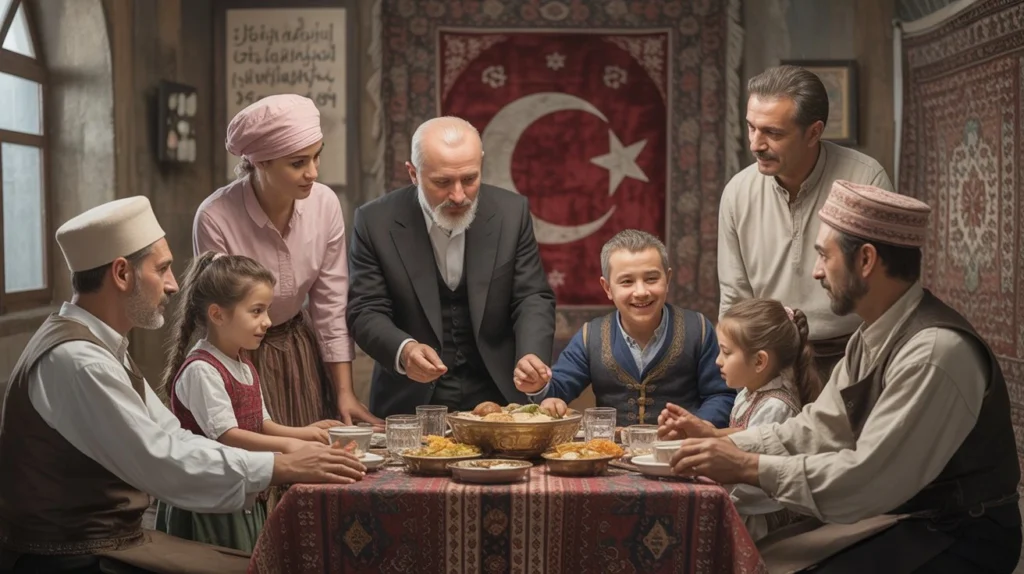
The concept of Türk idla carries deep cultural, historical, and social meaning for Turkish communities. It is not just a term tied to folklore or religion but a broad system of values that has guided people through centuries. Understanding it is essential for grasping how traditions, faith, and social order come together to shape Turkish identity in both the past and the present.
Definition of Türk İdla
It can be defined as the combination of traditions, ethics, religious beliefs, and lifestyles that form the foundation of Turkish culture. It represents social norms, values of respect, cooperation, and moral codes that maintain harmony in society. More than rules, this heritage is a living bridge that links generations and provides individuals with guidance for life.
Historical Roots
The roots of this tradition stretch back to the nomadic tribes of Central Asia. In these early communities, social order and cultural identity were shaped by close relationships with nature, spiritual beliefs, and tribal governance. With time, these practices evolved, enriched by influences from different civilizations. While many elements changed through history, the essence of identity remained strong.
Connection with Islam
With the adoption of Islam, cultural practices gained new depth. Islamic principles merged with traditional customs, creating a powerful framework that guided social, moral, and spiritual life. This fusion reinforced unity among Turkish societies while preserving their unique essence. Today, many traditions still practiced are direct results of this synthesis between faith and heritage.
The Role in Modern Life
Even in today’s fast-changing world, these values continue to hold significance. Family structures, community ties, moral codes, and respect remain strong markers of identity. In an era of globalization, this cultural compass provides a foundation that allows people to embrace progress while staying connected to their roots. This balance makes it a valuable guide in contemporary times.
Social Importance
This heritage plays a central role in maintaining unity and stability. Values such as trust, respect for elders, hospitality, and solidarity are deeply tied to it. These elements strengthen social relationships and create harmony within communities. Without them, much of the moral fabric that binds society would lose its foundation.
Individual Impact
On a personal level, this system shapes identity, behavior, and outlook on life. From childhood education within families to the way young people interact in society, its traces are visible. It helps form ethical standards, resilience, and a sense of belonging, ensuring individuals remain connected to their culture no matter where they are.
Economic Ethics
Trade and business life in Turkish history have been deeply influenced by these values. Honesty, keeping one’s word, and maintaining trust were crucial principles for merchants who gained respect in international markets. Even today, ethical standards in business and community trust reflect the enduring influence of these cultural codes.
Artistic Reflections
Art, literature, music, and architecture all bear the imprint of this heritage. Folk tales, proverbs, and epics kept cultural codes alive through oral traditions. Traditional music carried spiritual depth, while architecture reflected harmony, spirituality, and community values. Each form of art became a medium through which these traditions were expressed and preserved.
Educational Role
Education in Turkey has long carried the mission of passing on values along with knowledge. From literature classes to history lessons, elements of cultural identity are woven into the learning process. Cultural events in schools, celebrations, and heritage programs ensure that future generations grow with an understanding of their roots.
Challenges Faced
Modernization and globalization pose challenges to traditional values. Rapid urbanization, digital influence, and shifting lifestyles sometimes weaken the role of these customs in everyday life. As traditions fade or become commercialized, the risk of losing authentic cultural values increases. Addressing these challenges requires conscious effort from both communities and institutions.
Preserving the Heritage
To safeguard cultural continuity, collective effort is necessary. Families must instill pride in children, schools should strengthen heritage education, and governments and cultural organizations need to support preservation projects. Digital platforms also offer opportunities to promote awareness globally. By adapting to modern tools while holding onto roots, this living tradition can thrive for generations to come.
The Future
Looking ahead, these values have the potential to gain even more visibility on the global stage. Through digital museums, online cultural programs, and international collaborations, they can be presented to broader audiences. This future not only protects identity but also strengthens Turkey’s soft power in cultural diplomacy.
Real-Life Examples
Across Anatolia, daily life still reflects these traditions. From hospitality extended to guests, to collective celebrations of weddings and holidays, to rituals of mourning, these customs showcase the living spirit of a cultural code that has survived for centuries. Such practices reveal how a system built over time continues to thrive in modern settings.
Türk idla is more than a cultural concept—it is a bridge between past and future, an ethical compass, and a living legacy. It is present in daily interactions, in national celebrations, in art, and in the way Turkish society continues to honor its roots. Protecting it is not only about preserving the past but about ensuring a meaningful future.
Frequently Asked Questions
What is Türk idla?
It is the collection of cultural, religious, and ethical values that define Turkish society and guide daily life.
Why is Türk idla important?
It preserves social harmony, builds identity, and ensures cultural continuity across generations.
Where does Türk idla originate from?
It originates from Central Asian Turkish tribes and was enriched by Islam and other cultural influences.
How is it practiced today?
It lives through family traditions, education, community events, and daily customs.
What areas does it influence?
It influences art, literature, trade, education, and social behavior.
What is the future of Türk idla?
Its future lies in preservation through education, digital platforms, and international cultural promotion.
Conclusion
Türk idla remains a powerful cultural identity that connects the Turkish people to their history while guiding them into the future. In a rapidly changing world, it is more important than ever to preserve and promote these values. Each person has a role in this—whether by practicing traditions, teaching values, or supporting cultural projects. By doing so, we ensure that Türk idla continues to shine as a timeless heritage.